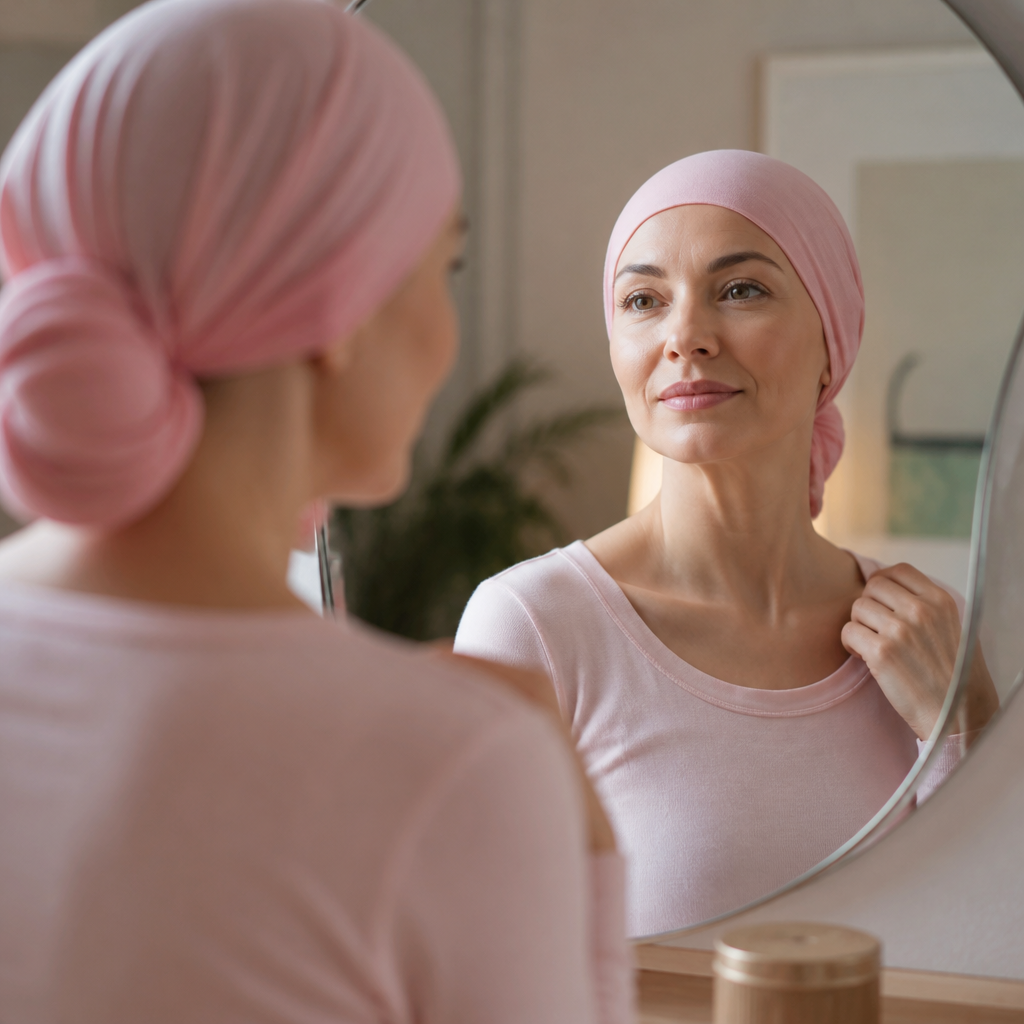
When Sarah completed her breast cancer treatment at 42, she expected to feel relief. Instead, she stood in front of her bedroom mirror avoiding her own reflection. The physical changes from surgery, chemotherapy, and radiation had altered not just her body but her sense of self. She wasn’t alone. Studies suggest that between 30 and 60 percent of breast cancer survivors experience significant body image distress, yet this psychological dimension of treatment remains under-discussed in mainstream cancer care conversations.
The Physical Changes That Reshape Self-Perception
Breast cancer treatment creates visible and invisible changes that challenge how women see themselves. Mastectomy removes breast tissue entirely, while lumpectomy leaves the breast intact but often changes its shape and size. Radiation can cause skin darkening, texture changes, and long-term firmness in treated areas. Chemotherapy brings hair loss that extends beyond the scalp to eyebrows and eyelashes, weight fluctuations from steroids and reduced activity, and changes in skin tone and nail health.
Reconstructive surgery, while offering restoration, introduces its own timeline of adjustment. Implant-based reconstruction requires tissue expanders that gradually stretch the chest wall over months. Autologous reconstruction using tissue from the abdomen or back leaves additional scars and changes body contours in multiple areas. Neither approach recreates the exact sensation or appearance of natural breast tissue, and many women describe a disconnect between the clinical success of reconstruction and their personal satisfaction with results.
Hormonal therapies like tamoxifen and aromatase inhibitors, prescribed for five to ten years after treatment, bring their own challenges. These medications can trigger early menopause symptoms including hot flashes, vaginal dryness, and weight gain concentrated around the midsection. The cumulative effect creates a body that feels unfamiliar and difficult to control.
Why Body Image Matters for Recovery
Body image distress isn’t vanity. Research connects it directly to quality of life, mental health, intimate relationships, and even treatment adherence. Women who struggle with how they look after cancer treatment report higher rates of anxiety and depression. They may avoid social situations, stop exercising, or withdraw from intimate relationships. Some delay or skip follow-up appointments because medical settings remind them of physical losses.
The psychological impact extends to identity beyond physical appearance. Breasts carry cultural weight as symbols of femininity, sexuality, and motherhood. Losing or altering them can feel like losing part of what makes someone recognizably themselves. Younger women often face particular challenges, as body image concerns intersect with fertility loss, career disruption, and relationship formation during critical life stages.
Screening Decisions and Body Image Anxiety
Body image concerns don’t begin at diagnosis. They influence whether women participate in screening at all. Mammography requires partial undressing and physical compression of breast tissue, experiences that some women find uncomfortable or anxiety-inducing. For those with previous trauma, eating disorders, or existing body image issues, these routine procedures can feel like significant barriers. Updated screening guidelines and debates about optimal screening ages add complexity to decisions that already carry emotional weight about bodies and health.
Healthcare providers who acknowledge the physical and emotional dimensions of screening create environments where more women follow through with recommended tests. Simple accommodations like adjustable gown designs, warm rooms, and technicians who explain each step reduce the vulnerability many women feel during breast imaging.
Comprehensive Care That Addresses the Whole Person
The most effective breast cancer programs recognize that physical recovery and psychological adjustment happen together, not sequentially. Cleveland Clinic Abu Dhabi’s Breast Health & Cancer Program integrates medical oncology, surgical options including breast reconstruction, and supportive services throughout the treatment journey. Women working through the after-effects of cancer treatment, including those recovering from neurological complications like those addressed in stroke rehabilitation, benefit from care models that acknowledge how physical changes affect daily function and self-perception. Comprehensive breast health services in Abu Dhabi include genetic testing for high-risk patients, diagnostic biopsies, robotic mastectomy techniques, and immediate or delayed reconstruction tailored to individual medical needs and personal preferences.
Practical Strategies That Make a Difference
Women who successfully navigate body image challenges after breast cancer typically use multiple strategies rather than a single approach. Physical interventions include working with certified mastectomy fitters for properly sized prosthetics and bras, exploring semi-permanent makeup for lost eyebrows and eyelashes, and gradually returning to exercise that rebuilds strength and body confidence. Many find that activities like yoga or swimming help them reconnect with their bodies as functional rather than purely aesthetic objects.
Psychological support takes many forms. Individual therapy, particularly approaches like cognitive behavioral therapy or acceptance and commitment therapy, helps women challenge distorted thoughts about their appearance and develop self-compassion. Support groups connect survivors who understand the specific grief of losing a body part and the awkwardness of explaining surgical scars to new partners or answering intrusive questions from acquaintances.
Fashion and styling offer more than superficial fixes. Building confidence through deliberate clothing choices helps women assert control over their presentation when so much of cancer treatment removes autonomy. Scarves, statement jewelry, and well-fitted clothing in colors that complement changing skin tones become tools for self-expression rather than camouflage.
The Role of Relationships and Communication
Partners and family members significantly influence body image recovery, yet many feel uncertain how to help. The most useful support combines acknowledgment of loss with affirmation of the person beyond their appearance. Statements like “I know this is hard” work better than “You look fine” when someone clearly doesn’t feel fine. Patience with changes in intimacy, willingness to attend counseling together, and asking directly what kind of support would help create safety for honest conversations.
Sexual health deserves explicit attention. Physical changes from treatment including surgical numbness, hormonal dryness, and fatigue affect sexual response. Couples who maintain intimacy through this transition typically communicate openly about what feels good and what doesn’t, experiment with different types of physical connection beyond intercourse, and sometimes work with sexual health specialists who understand the specific challenges cancer treatment creates.
Moving Forward Without Minimizing Loss
The pressure to stay positive throughout cancer treatment can inadvertently silence legitimate grief about bodily changes. Women need permission to mourn what they’ve lost while simultaneously building a new relationship with their changed bodies. This isn’t a linear process with a clear endpoint. Difficult moments arrive unexpectedly: seeing old photos, shopping for swimwear, or watching a friend breastfeed.
Long-term adjustment often involves shifting focus from restoration to adaptation. Rather than trying to return to a pre-cancer body, many women eventually develop appreciation for what their bodies accomplished by surviving treatment. Scars become evidence of resilience rather than disfigurement. Changed breasts or reconstructed chests become part of an integrated self-concept rather than foreign objects to hide.
Healthcare systems that build body image support into standard breast cancer care from diagnosis through survivorship give women better tools to navigate this complex terrain. When oncologists ask about body image concerns as routinely as they check tumor markers, when surgeons discuss psychological adjustment alongside surgical options, and when follow-up care includes referrals to therapists and support groups without waiting for crisis, more women find pathways through the identity disruption that breast cancer treatment creates. The goal isn’t erasing the impact of cancer but providing resources so women can author their own recovery stories with honesty, support, and ultimately, self-acceptance.