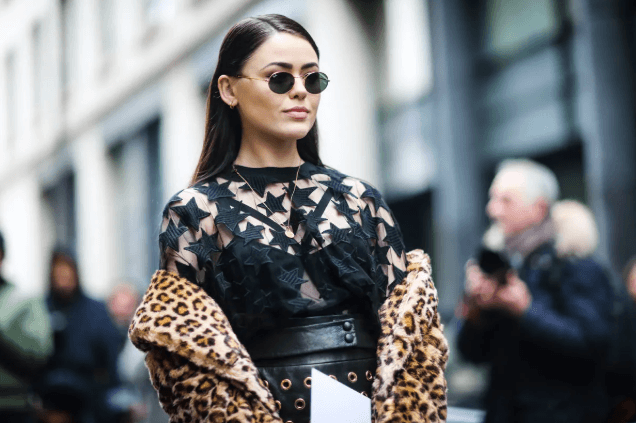
Fashion can align outer appearance with inner intent, shaping a self that moves with ease and purpose. By prioritizing fit, comfort, and a clear personal style, one reduces hesitation and projects credibility. Color, texture, and thoughtful styling become tools for poised, disciplined presentation. Practical routines—wardrobe prep, rituals, and mindset—convert choices into performance. The result is a consistent, autonomous image that invites scrutiny and curiosity, leaving a hint of what comes next as possibilities unfold.
How Fashion Builds Confidence From the Inside Out
Fashion begins by signaling inner perceptions outward; when individuals choose clothing that aligns with their values and aspirations, the act reinforces a coherent self-image and sets a tone of self-assurance. The process converts external choices into internal certainty, shaping confidence rituals and reinforcing an intentional inner presentation. This alignment sustains autonomy, fosters resilience, and empowers authentic expression within a freedom-seeking audience.
Mastering Fit, Comfort, and Personal Style
Mastering fit, comfort, and personal style requires a precise balance: garments must conform to the body’s natural lines while supporting ease of movement, and personal taste must translate into deliberate choices rather than mere trends. The viewer notes fit optimization and fabric sensation as indicators of confidence, guiding selections that empower autonomy, expression, and performance without sacrificing comfort or integrity.
Color, Texture, and Styling for Empowered Presentation
Color, texture, and styling combine to shape an empowered presentation by translating inner intent into outward signals.
Color psychology guides choice without dogma, aligning mood with message while respecting individuality.
Fabric texture communicates tactility and credibility, reinforcing authority or approachability as needed.
Thoughtful contrast and balanced ensembles amplify presence, enabling freedom of expression through deliberate, breathable, and purposeful wardrobe decisions.
Practical Routines: Wardrobe Prep, Rituals, and Mindset for Confidence
Practical routines lay the groundwork for reliable confidence, turning wardrobe choices into swift, automatic signals of preparedness. Wardrobe rituals streamline selection, foreshadowing intention with calm precision and reducing decision fatigue.
Mindset routines cultivate buoyant self-belief, reframing outfits as tools for performance, not performance anxiety. The result is liberated expression: consistent poise, intentional style, and a flexible sense of self—aligned, unforced, unconstrained by doubt.
Frequently Asked Questions
How Does Confidence Affect First Impressions in the Workplace?
Confidence shapes workplace impressions by signaling competence and reliability, influencing initial judgments. Observers pick up consistent confidence cues—posture, tone, punctuality—that steer perceptions, shaping opportunities. In free-spirited environments, authenticity sustains favorable confidence cues and outcomes.
Can Fashion Choices Influence Social Anxiety in Public Settings?
Fashion psychology suggests that fashion choices can mitigate social anxiety by shaping public appearance dynamics, enabling calmer engagement. It posits intentional garments as tools for autonomy, reducing self-consciousness and enhancing perceived competence in public settings.
What Role Do Accessories Play in Self-Assurance?
Accessories impact self-assurance by signaling intentionality; purposeful choices convey competence and control, enabling social ease. They offer a discreet, accessible path to self-confidence, with accessories guiding attention and boosting mood—an authentic self assurance boost for expressive freedom.
See also: Why Data Privacy Matters
How Is Authenticity Measured in Personal Style?
Authenticity is measured by consistency between inner values and outward cues, using authenticity metrics that track alignment with personal stories, comfort, and purpose. Personal style signals reflect originality, coherence, and fearless self-expression within chosen, liberating fashion parameters.
Do Budget-Friendly Outfits Still Boost Confidence?
Budget friendly outfits can still boost confidence, satirically noting that thrifted polish beats pricey previews of perfection; budget friendly choices empower personal freedom, proving confidence boosting comes from fit, intention, and self-authored style rather than price tags.
Conclusion
Building confidence through fashion unfolds as a deliberate practice, not a fleeting trend. When fit, comfort, and personal style align, outfits become quiet rehearsals for credibility, capacity, and presence. Color and texture act as intentional signals, while routines turn dressing into a performance tool rather than a daily dilemma. By framing wardrobe choices as mindful preparation, individuals cultivate resilience and autonomy. In this orchestration of form and meaning, clothing serves as a steady compass—guiding outward poise toward inner conviction. The result: practiced confidence.